Everest Three Passes Trek – Ultimate High-Altitude Adventure in Nepal
Overview
The Everest Three Passes Trek is one of Nepal’s most adventurous and iconic trekking experiences, offering breathtaking 360° panoramic views of the Himalayas. Located in the heart of the Everest Region, this challenging trek crosses three high Himalayan passes:
- Renjo La Pass (5,360 m)
- Cho La Pass (5,420 m)
- Kongma La Pass (5,535 m)
Often considered the toughest and highest trekking circuit in the Everest region, the Three Passes Trek rewards trekkers with unparalleled views of legendary peaks including Mount Everest, Lhotse, Cho Oyu, Makalu, and many other towering Himalayan giants.
The trek passes through diverse landscapes, including pristine glaciers, high alpine valleys, and remote Sherpa villages. It is best suited for experienced trekkers with good physical fitness, proper acclimatization, and some previous high-altitude trekking experience.
For a detailed day-by-day itinerary, visit our Everest Three Passes Trek Itinerary.
Have questions about this trek? Check our Everest Three Passes Trek FAQ.
Highlights of Everest Three Passes Trek
- Spectacular panoramic mountain views including Everest, Lhotse, Makalu, and Cho Oyu
- High-altitude adventure trekking, crossing three challenging Himalayan passes
- Explore ancient Buddhist monasteries and experience Sherpa culture
- Stay in traditional Nepali teahouses and enjoy authentic local cuisine
- Walk across glaciers, moraines, and high alpine valleys
- Experience the thrilling Lukla flight, one of the world’s most exciting mountain airports
- Encounter Himalayan wildlife and bird species
- Visit the Everest View Hotel for breathtaking scenery
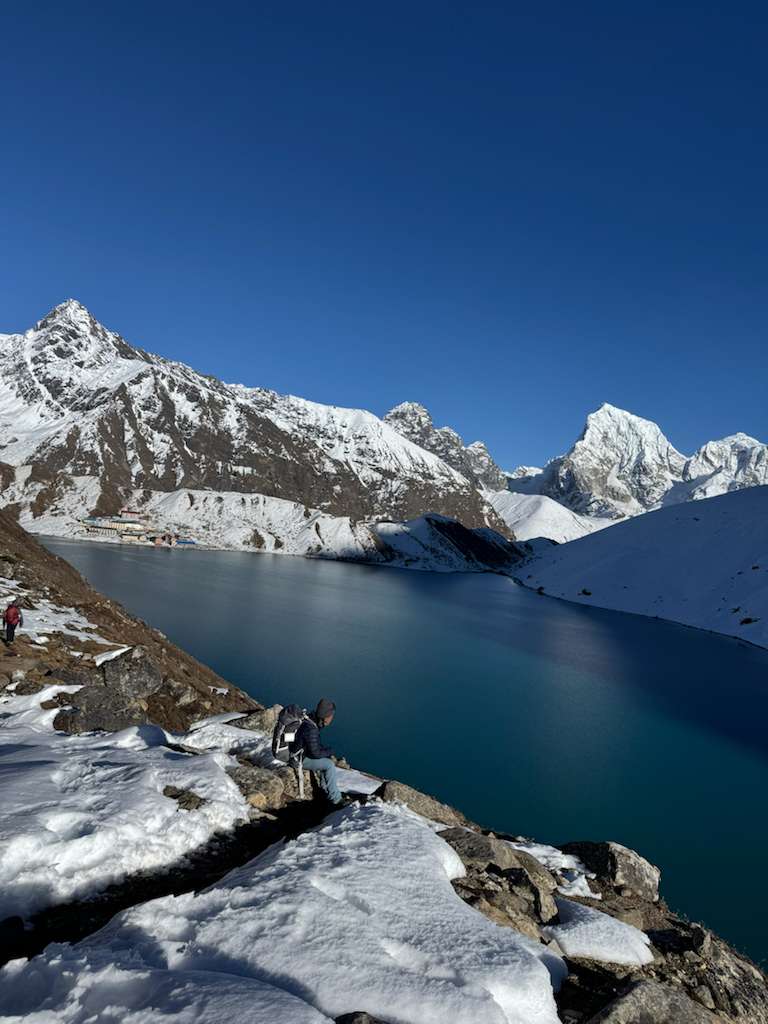
- Explore stunning high-altitude glacial lakes, including turquoise alpine lakes
Best Time for Everest Three Passes Trek
- Spring (March–May): Moderate temperatures, clear skies, and rhododendron blooms in lower regions
- Autumn (September–November): Stable weather, crisp air, and the best visibility of Himalayan peaks
- Winter (December–February): Cold, fewer trekkers, and snow-covered passes
- Monsoon (June–August): Heavy rain may make trails slippery and higher passes dangerous
Difficulty Level
The Everest Three Passes Trek is challenging and demanding:
- Maximum altitude: 5,535 meters at Kongma La Pass
- Daily trekking duration: 6–10 hours, depending on acclimatization and terrain
- Suitable for experienced trekkers with good physical fitness
- Requires proper acclimatization and preparation for high-altitude trekking
For answers to common questions about fitness, altitude, and safety, visit our Everest Three Passes Trek FAQ.
Essential Gear for the Trek
Trekkers should carry the following items to ensure a safe and enjoyable adventure:
- Lightweight but warm down jacket
- Comfortable, well-broken-in trekking boots
- Crampons or microspikes (especially in winter or icy conditions)
- Thermal innerwear (top and bottom)
- Warm socks, gloves, hat, and buff/scarf
- UV-protected sunglasses
- Sunscreen and basic skincare items
- Reusable water bottle and thermos
- Headlamp or flashlight
- Sleeping bag (recommended for colder months)
- Slippers or sandals for teahouse use
- Personal medicines, including for altitude sickness, fever, food poisoning, and minor ailments
Why Choose Everest Edge Treks?
Trekking with Everest Edge Treks ensures:
- Experienced and certified local guides
- Safe and well-planned itineraries for high-altitude treks
- Authentic Sherpa culture and community experiences
- Comfortable teahouse accommodations
- Personalized service and expert support throughout the trek
Quick Links
- Everest Three Passes Trek Itinerary
- Everest Three Passes Trek FAQ
- Everest Base Camp Trek
- Poon Hill Trek
- Ruby Valley Trek
Itinerary
Inclusions
- Airport transfers in Kathmandu (arrival and departure)
- • Domestic flights: including airport taxes (depending in itinerary)
- • All ground transportation as per itinerary
- • Accommodation during the trek in local tea houses
- • Meals during the trek – breakfast, lunch, and dinner (one item per meal)
- • Experienced, licensed, and English-speaking trekking guide
- • One local porter for every two trekkers (weight limit applies)
- • Guide and porter salary, meals, accommodation, insurance, and equipment
- • All needed permits and TIMS card
- • First-aid medical kit (carried by the guide)
- • Trekking map and trip briefing before departure
- • Government taxes and service charges
- • Oximeter to measure oxygen
Exclusions
- • International airfare to and from Nepal
- • Nepal visa fee
- • Accommodation and meals in Kathmandu or Pokhara
- • Travel and rescue insurance (mandatory for high-altitude trekking)
- • Personal trekking equipment and gear
- • Drinks (hot, cold, and alcoholic beverages)
- • Personal expenses such as laundry, hot showers, Wi-Fi, charging electronic devices, etc.
- • Snacks, chocolates, and bottled water during the trek
- • Tips for guide and porters
- • Costs arising from itinerary changes due to weather, flight delays, or unforeseen circumstances
- • Emergency evacuation costs (unless covered by insurance)
Frequently Asked Questions
$1,700.00
per person
Tour Details
- Duration: 17 days
- Category: Trek
- Difficulty: Intermediate
- Best Time: March To May &October To December
- Country: Nepal
Gallery
Need Help?
Call us: Company Number
Email: Company Email